
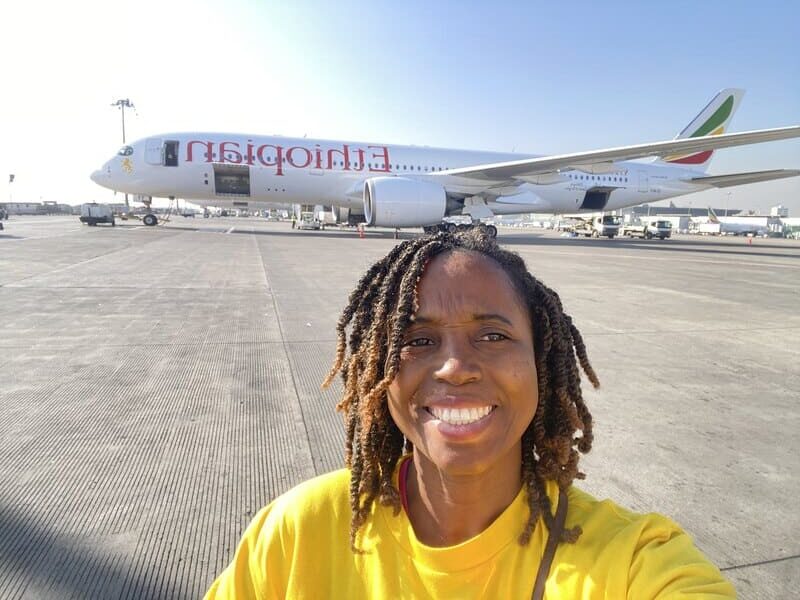

While traveling abroad always sounds exciting before you leave, my most valuable travel lessons were learned while navigating the harsh reality of adjusting to unfamiliar environments.
We all love the thrill of booking a flight, but adjusting to a completely new culture can hit hard. As an avid traveler, I have faced my fair share of stressful moments on the road. Yet, every single challenge taught me something invaluable.
These aren’t your typical tourist tips—these are profound travel lessons that pushed me out of my comfort zone. If you want to master the art of budget flexibility, overcome language barriers, and truly enjoy the journey, these four insights are exactly what you need to read before your next flight.
Whether I traveled for tourism or study, I left every country with a bucket full of lessons—some deeply personal, others shaped by cultural encounters.
Here are a few key takeaways from my experiences:
- Traveling pushes you out of your comfort zone
- Language barriers can be overcome with patience
- Budgeting for travel is never exact
- Flexibility is key to a successful trip
Keep reading for my honest reflections and practical travel tips!
1. How Flexibility with Accommodation Teaches Vital Travel Lessons
While most people look for accommodation before booking a flight, I do things a bit differently. I spend hours scrolling through reviews and swiping through photos, but I rarely finalize my lodging until after my plane ticket is secured.

However, one of the most practical travel lessons I’ve learned is that reality doesn’t always match a polished online listing.
When you arrive, the actual room can easily fall short of your expectations.
After several frustrating experiences watching hotel staff notice the instant disappointment on my face, I adopted a new strategy: I now book only my first night in advance. This approach gives me a chance to assess the property in person. I can check for hidden issues like poor ventilation, dusty rooms, or unexpected neighborhood noise before committing to a long stay.
The Reality of Finding Better Lodging on the Road
Admittedly, this strategy has a downside. The next morning often transforms my sightseeing itinerary into a mission to find a better hotel.
I find myself walking long distances, juggling GPS directions, and scouting local properties. It is both physically and mentally exhausting. Yet, when I finally discover a cleaner, quieter, and more comfortable place to stay, the extra effort feels completely worth it.
Key Takeaway: Over time, my adventures have taught me a vital mindset shift—stay flexible and lower your expectations. No hotel or Airbnb will ever feel exactly like home.
Once you accept that these are simply temporary resting places along your journey, exploring becomes much easier.
If you are planning an upcoming trip, prepare to step outside your comfort zone. Cultivating the right mindset is just as important as packing your bags.
2. Why Embracing Local Cuisine is One of the Best Travel Lessons
Eating healthy is essential for maintaining your strength and well-being, especially while traveling.
However, as a naturally picky eater, I had to adjust my habits quickly once I hit the road.
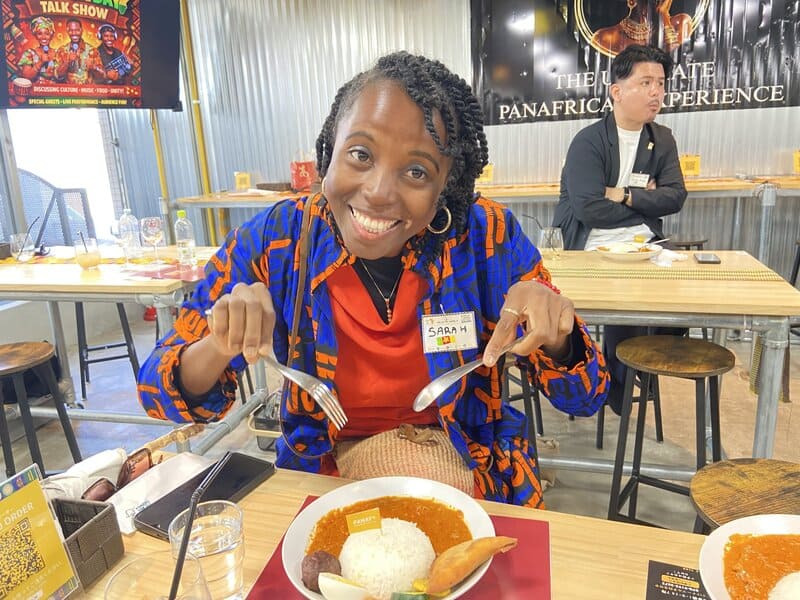
At first, I completely refused to try anything unfamiliar. I wouldn’t touch a dish unless I had eaten it before or knew exactly what it was.
But exploring the world has a way of reshaping your mindset. In the beginning, I often found myself sitting in restaurants for over ten minutes, flipping through menu pages, hesitating, and silently questioning whether I could trust the kitchen.
Over time, I learned to be more open and adventurous with food. Eating well while abroad means being willing to step into the unknown. In fact, learning to appreciate local food became one of the most rewarding travel lessons of my journey.
Staying Connected to My Roots While Exploring Asia
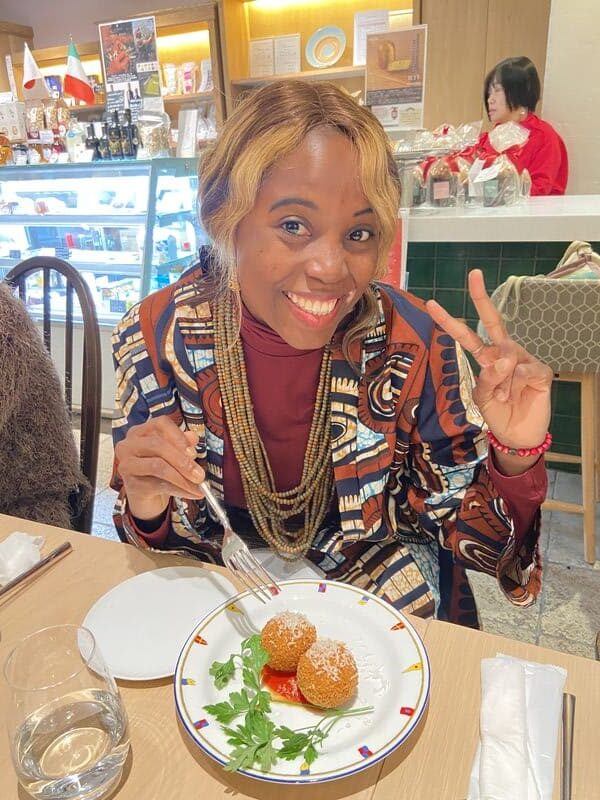
During my travels in Asia, finding traditional Cameroonian meals was a rare luxury.
Most of the time, I had to try completely unfamiliar dishes—many of which I couldn’t even finish. T
o stay connected to my roots, I often tried recreating familiar comfort meals back in my temporary kitchens, even without all the traditional spices or ingredients.
Ultimately, preparation became my saving grace.
If you want to balance trying new foods while keeping a taste of home, here is what worked for me:
- Pack the Essentials: I learned to pack vital Cameroonian ingredients, like dried vegetables and local spices, whenever I returned from a vacation.
- Lean on Your Network: Sometimes, close friends would ship familiar food items to me from abroad.
- Shop Online: I frequently sourced authentic ingredients from specialized African and Cameroonian online stores.
The Biggest Takeaway: Being open to unfamiliar food is essential—even before you book your plane ticket. Flexibility with food is a vital survival skill every traveler eventually learns.
3. Why Financial Flexibility is One of the Hardest Lessons to Learn
Traveling is undeniably expensive, and trying to stick to a rigid budget can quickly feel overwhelming.
However, for those of us who truly love the journey, learning to accept a few extra expenses here and there becomes part of the adventure—and sometimes, even part of the fun.
Personally, I have rarely followed a travel budget to the exact penny.
There is always an unexpected variable waiting around the corner: higher hotel rates, surprise dining costs, or last-minute flight changes.
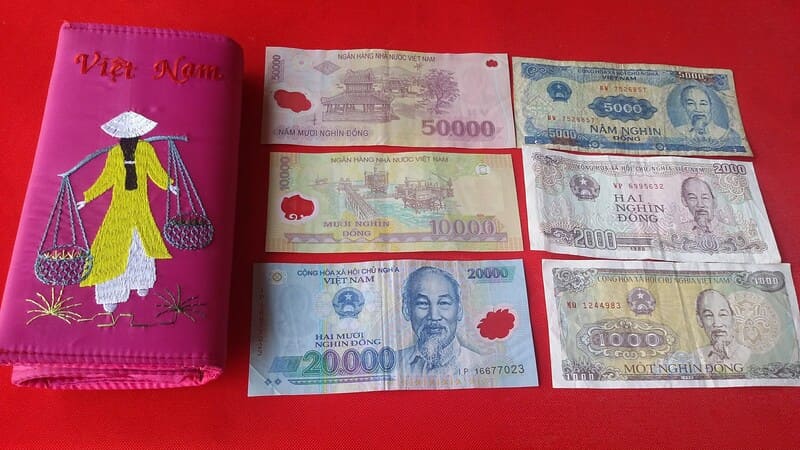
No matter how meticulously you map out your expenses, unplanned costs will always show up.
Nomadic Matt mentioend some strong ways he finds money when traveling.
One of the most valuable financial travel lessons I’ve picked up over the years is to always travel with more money than I think I will actually need.
Building a Financial Cushion for Peace of Mind
Adopting this simple habit has saved me from countless stressful moments, such as scrambling to get emergency funds transferred from back home.

Instead of restricting your experience, bringing an extra financial cushion offers a massive psychological benefit:
- Reduces Anxiety: You won’t spend your trip constantly converting currencies and panicking over small price differences.
- Allows for Spontaneity: It gives you the freedom to say “yes” to unexpected excursions, local tours, or unique meals.
- Handles Emergencies: If a flight is delayed or a booking falls through, you can solve the problem quickly without breaking a sweat.
Key Takeaway: True budget flexibility isn’t about counting every cent; it’s about giving yourself the grace to handle the unexpected. That extra financial cushion gives you ultimate peace of mind, allowing you to focus entirely on enjoying your trip instead of stressing over the numbers.
4. Why Overcoming Language Barriers Offers the Ultimate Travel Lessons

Before I started traveling, patience—especially when it comes to communication—was never my strong suit.
However, once I began exploring the world, one specific challenge quickly rose above the rest: navigating unfamiliar languages.
I soon learned that to truly connect with people in a new country, you have to make a genuine effort to speak their language.
At first, the process felt entirely overwhelming. Everything I thought I knew about communication had to be completely adjusted.
The Steep Challenge of Learning Korean
Learning Korean at the Sunmoon Korean Language Institute in Cheonan, for example, was an incredibly steep uphill battle.
- Unfamiliar Structure: The sentence structure was completely different from English, causing me to constantly question its logic.
- New Alphabet: Adapting to entirely new characters and memorizing unique sounds felt nearly impossible at times.
- Pattern Recognition: Grasping unfamiliar sentence flows required a total reset of my linguistic habits.
Over time, this hurdle taught me one of my most profound travel lessons: the critical need for patience, both with myself and with others.
I had to let go of rigid ideas about how a language “should” work and instead learn to respect each culture’s unique way of speaking.
Ultimately, building patience also taught me humility. It meant admitting that my native way of thinking wasn’t the only way, and recognizing that people around the world see and express life differently.
Whenever the frustration of a new environment felt like too much to carry, I found that leaning on my faith and asking God for the grace to adjust was what truly kept me grounded.
Key Takeaway: Traveling only works when you keep an open mind—especially when it comes to embracing new languages and cultures. While exploring the globe offers a million unforgettable experiences, it also challenges you to grow in deep, unexpected ways. Cultivating patience with language isn’t just about communication; it’s a vital life skill.
Conclusion: Are You Ready for the True Journey?
Before you rush to book your next flight, take a quiet moment to reflect on what it really means to explore the world.
Ask yourself these essential questions:
- Language Barriers: Are you truly open to learning a new language, even when the grammar feels impossible?
- Accommodation Realities: Can you gracefully handle the discomfort of an unfamiliar, less-than-perfect lodging without losing your cool?
- Personal Adaptability: How flexible are you prepared to be—mentally, emotionally, and financially?
- Financial Surprises: Are you genuinely ready to spend money not just on the fun excursions, but on the unexpected twists and turns along the way?
If you can honestly answer “yes” to these questions, then you are ready—not just for a standard vacation, but for a truly transformative journey.
I’ve learned that while packing bags is practical, trusting God to guide my steps through the unexpected turns is what makes the journey complete.
When your plane finally lands, you won’t just be entering a new country; you will be stepping into a whole new world of growth, resilience, and unforgettable experiences.
Frequently Asked Questions About Essential Travel Lessons
1. What are the most important travel lessons for first-time backpackers?
The most important travel lessons revolve around adaptability and mindset. First-time travelers often realize that over-planning can lead to unnecessary stress. Learning to embrace sudden schedule changes, remaining patient when dealing with language barriers, and keeping an open mind about local customs are the keys to a successful trip.
2. How do you handle accommodation disappointments while traveling?
To avoid getting stuck in a bad hotel or Airbnb, try booking only your first night in advance. This allows you to inspect the room’s cleanliness, ventilation, and local noise levels in person. If it doesn’t meet your expectations, you have the total freedom to scout a better, quieter, or more comfortable spot the next day.
3. Why is flexibility with local food considered a vital travel skill?
Being open to unfamiliar cuisine ensures you stay properly nourished and energized while exploring foreign countries where comfort foods aren’t available. Overcoming picky eating habits allows you to fully immerse yourself in the local culture, though it’s always a smart idea to pack a few favorite spices or dry ingredients from home just in case you feel homesick.
4. How much extra money should I add to my travel budget for emergencies?
As a general rule of thumb, try to carry a financial cushion of at least 20% to 30% beyond your estimated trip expenses. Having extra funds readily accessible prevents panic during unexpected situations, such as sudden flight delays, medical emergencies, or surprise lodging rate changes.
Want to take the journey deeper? Sign up for my weekly postcards and instantly download my free 3-day digest, ‘The Art of Wandering,’ to learn the exact spiritual rituals and mindful shifts I use to backpack the world solo with total confidence. [Click here to claim your free guide!]

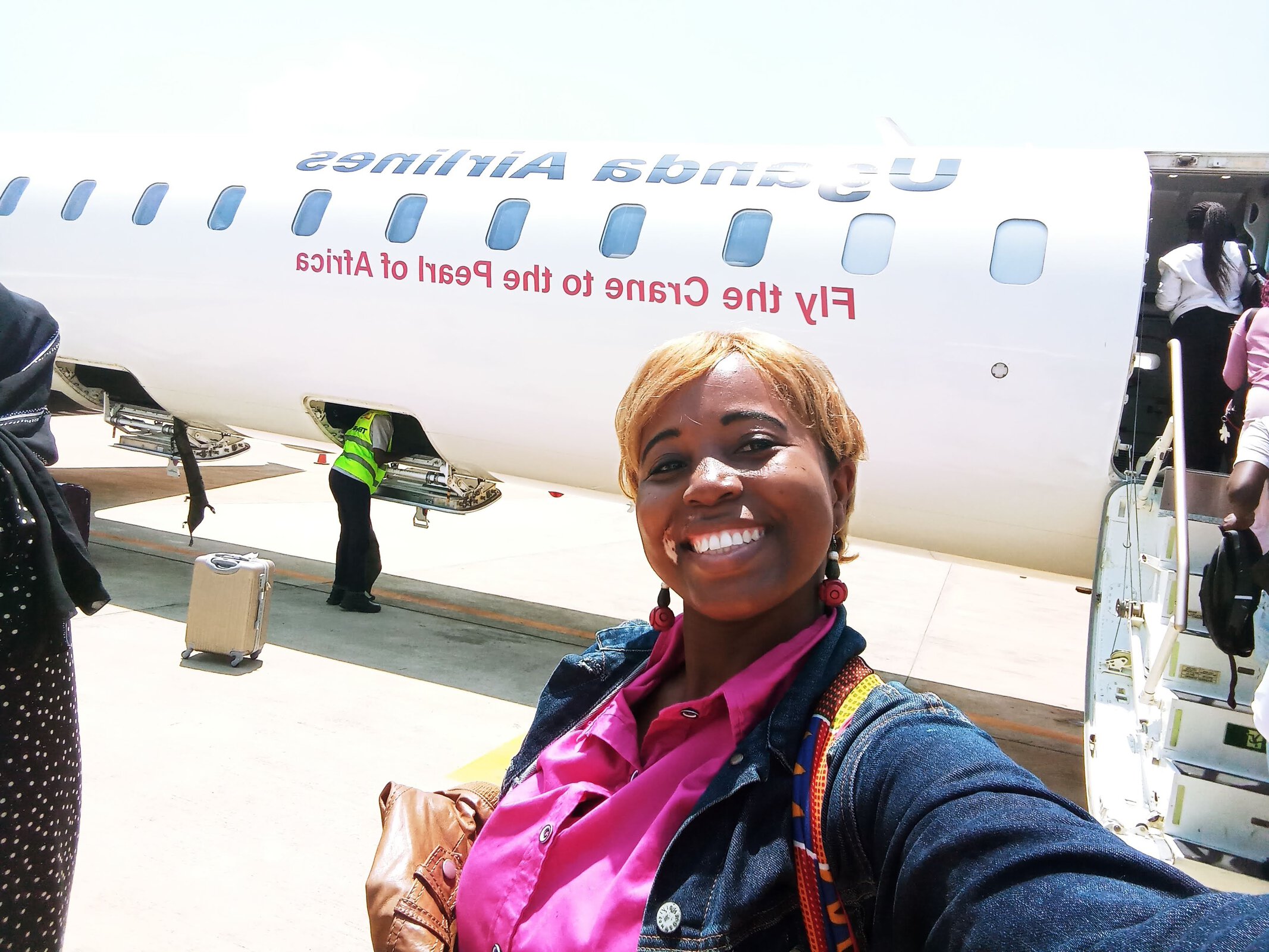


Wonderful exploration.
Thank you Emerald.
Nice, i like your Blog! Any plans to go to other countries?
Thank you so much Jimmy. Yes, I plan to continue my travels.